
Reaching the Distance
Raggiungere la Distanza
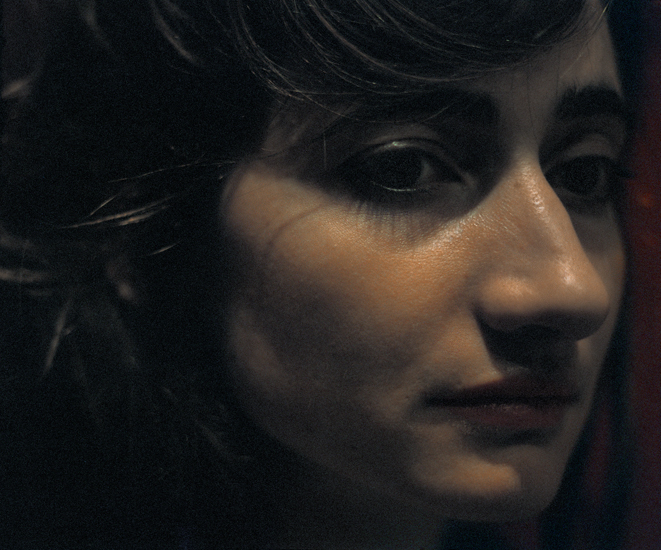
| ENG Preview/Buy artist book “Reaching The Distance” by Matilde Soligno Most of my research focuses on the areas where the public and the private meet. In my project Reaching The Distance, the theme of portraiture is addressed through a series of close-ups – the closest you can get by using a 85mm lens on a Mamiya RB67. The project focuses on exploring the counterpositions that characterize intimacy and the experience of visual closeness, and on making them visible: extreme closeness can be uneasy and charming at the same time – just think of that of love, both romantic and parental. Reaching the “right” distance may then be crucial, though difficult to attain. The project consists of 12 portraits of women, in which the viewer’s relation with the subjects seems to be welcoming, though self-contained. Originally shot with a medium-format camera, these photographs’ negatives are later scanned and digitally worked to gently enhance their inner unevenness: deep black spots, pixelated shades, and fake colors alternate to areas of extreme definition, that work as real-feel devices. While these portraits suggest an idea of presence and warmth, they also show loss of information in their shadows, which creates a feeling of distance. | |
ITA Guarda il trailer/Acquista il libro d’artista “Reaching The Distance” di Matilde Soligno «L’obiettivo di Soligno è quello di avvicinarsi quanto basta alla persona per carpire le informazioni necessarie, per farlo è necessario “raggiungere la distanza”, quella giusta, solo così dall’atto performativo della ripresa possono scaturire sentimenti intensi … La situazione di grande intimità provocata dall’avvicinamento della camera al volto delle donne sembra riscattare l’aspetto relazionale del gesto creativo, apprezzando i risultati ottenuti dai tempi di posa più lunghi imposti da un atteggiamento riflessivo. In questo modo Soligno prende le distanze da certe fotografie anaffettive e frettolose favorite dall’odierna industria dell’immagine.» –Luca Panaro, 2012 «Reaching the Distance» («Raggiungere la distanza») fa parte di un percorso di ricerca legato alla soggettività della visione e della memoria. In questo lavoro il tema del ritratto femminile è affrontato attraverso la vicinanza tra osservatore e osservato che, spinta al suo estremo, porta alla luce sentimenti contraddittori: alla fascinazione si somma il disagio, e all’indiscrezione la complicità del rapporto d’amore, sia esso romantico o parentale. La criticità della dimensione intima, in quanto condizione ad alta intensità, diventa veicolo di sentimenti potenti e ambivalenti, come l’attrazione. |




Digg This, Del.icio.us, StumbleUpon